Dyslexia games that practice real reading skills
A good reading game for a dyslexic child is mostly phonics in disguise: hearing sounds, linking them to letters and blending them into words, a little every day. Here is what to look for, what each Dyslexia Steps world practices, and which games you can play free today.
Updated
Short answer
What makes a good reading game for a child with dyslexia?
A good reading game for a child with dyslexia practices the skills that research links to reading: hearing the sounds inside words (phonological awareness), linking letters to sounds, and blending sounds into words, which is systematic phonics. It should bring back items the child still finds hard at spaced intervals and keep sessions short. Visual attention and memory games can be enjoyable warm-ups, but the evidence that they improve reading is mixed or weak.
- In a meta-analysis of randomised trials, systematic phonics was the only approach with a significant effect on reading in struggling readers.
- Phonological awareness is one of the strongest predictors of learning to read.
- Spaced practice is remembered better than the same practice crammed into one session.
- One study found action video games sped up reading in dyslexic children; it has not been settled by further research.
Seven worlds, one daily adventure
Every game belongs to a skill world. Children don't pick a world each day: the daily adventure picks the games their profile needs, and parents can open any world freely.
 1 / 7
1 / 7Sound Island
Find the word that rhymes in Rhyme Boat, then spot the word that starts with a different sound in Odd Sound Out.
 2 / 7
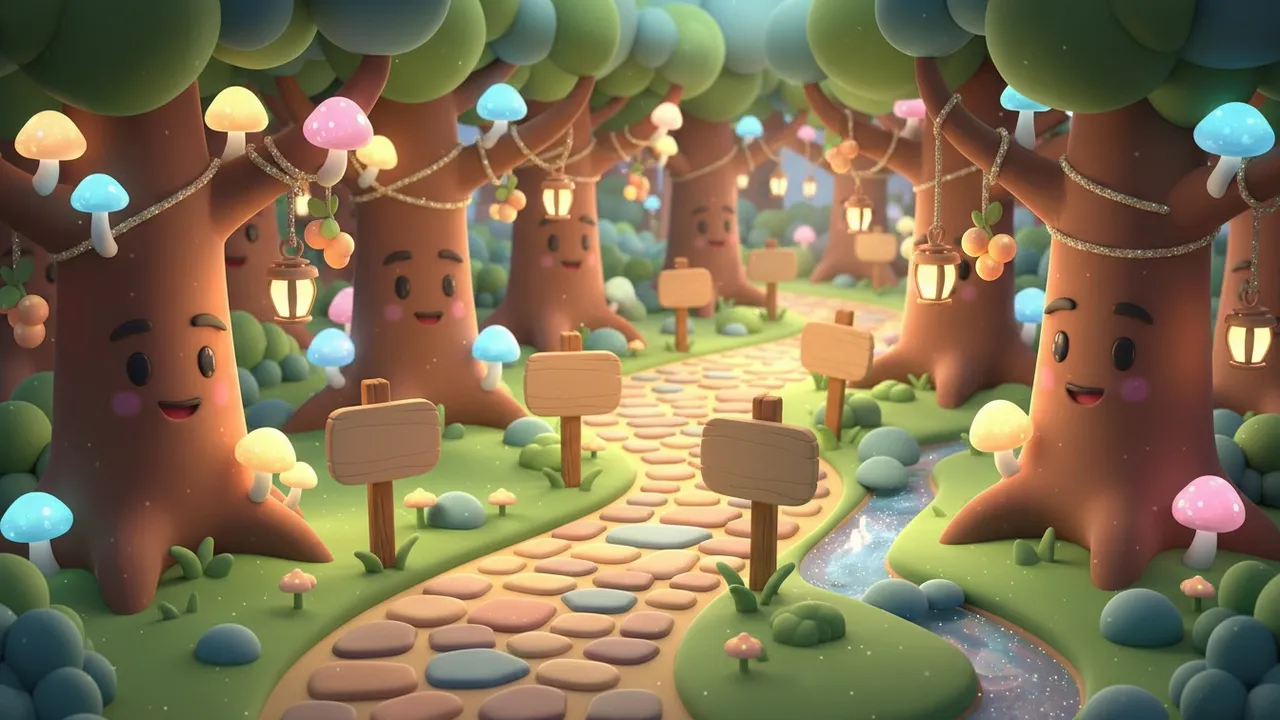
2 / 7Letter Forest
Hear a word and catch the letter or letter group it starts with. On some levels the letters float across the screen.
 3 / 7
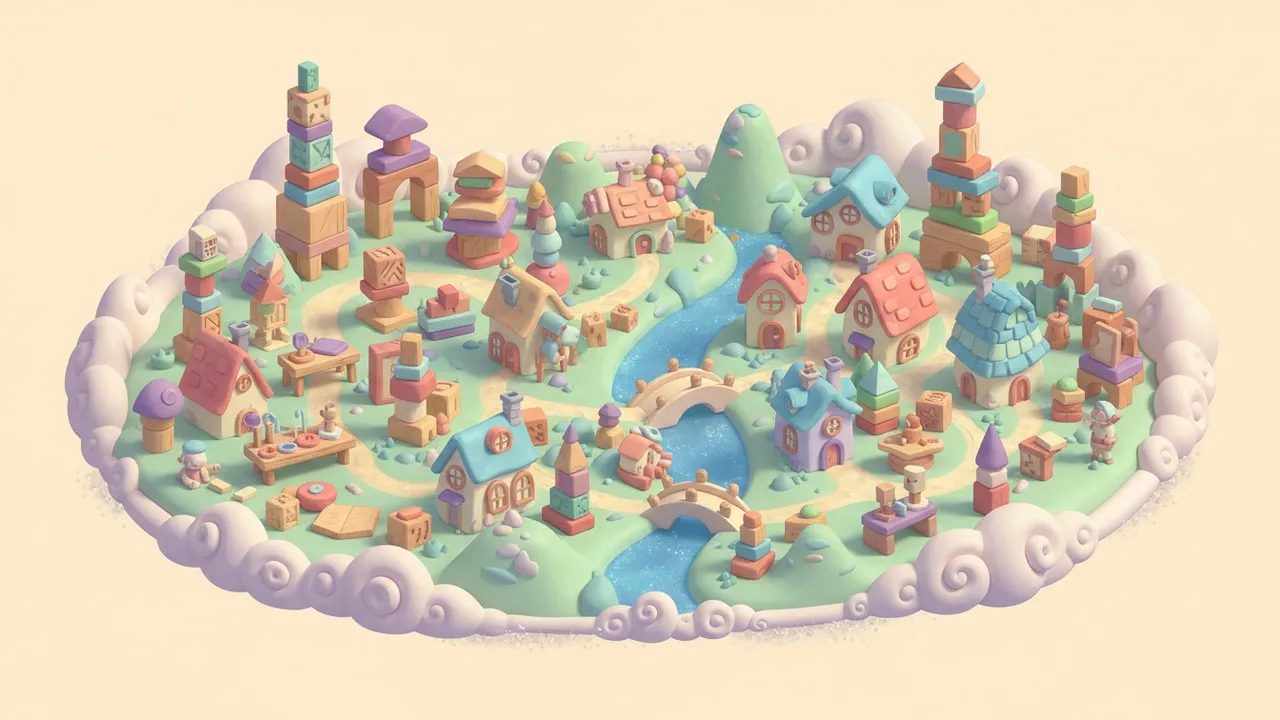
3 / 7Word Workshop
Build the word you hear from letter tiles in Word Builder, find the missing vowel and pick out made-up alien words.
 4 / 7
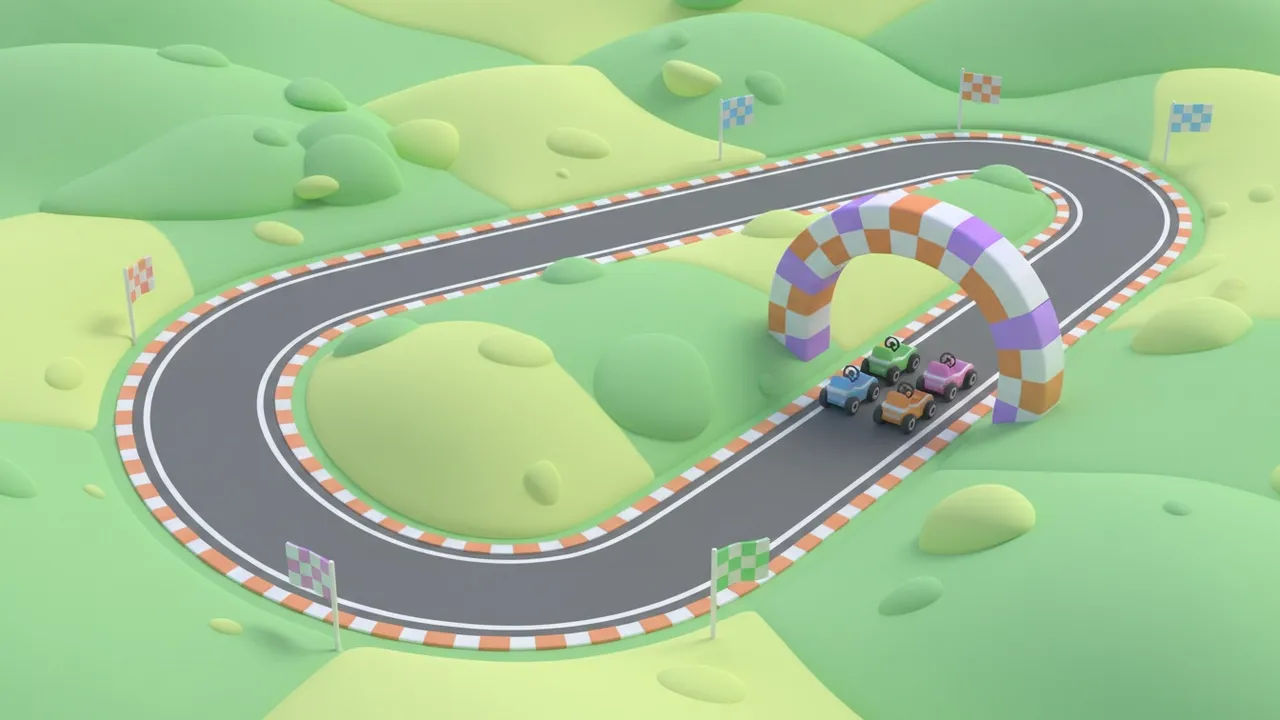
4 / 7Speed Track
A word flashes for a moment, then you pick the one you saw in Flash Words. Every fifth level is a short Colour Race.
 5 / 7
5 / 7Story Harbour
Read a short story written for this stage, or listen to it sentence by sentence, answer two or three questions, then read it again. Stories join the daily plan after Word Workshop level 20.
 6 / 7
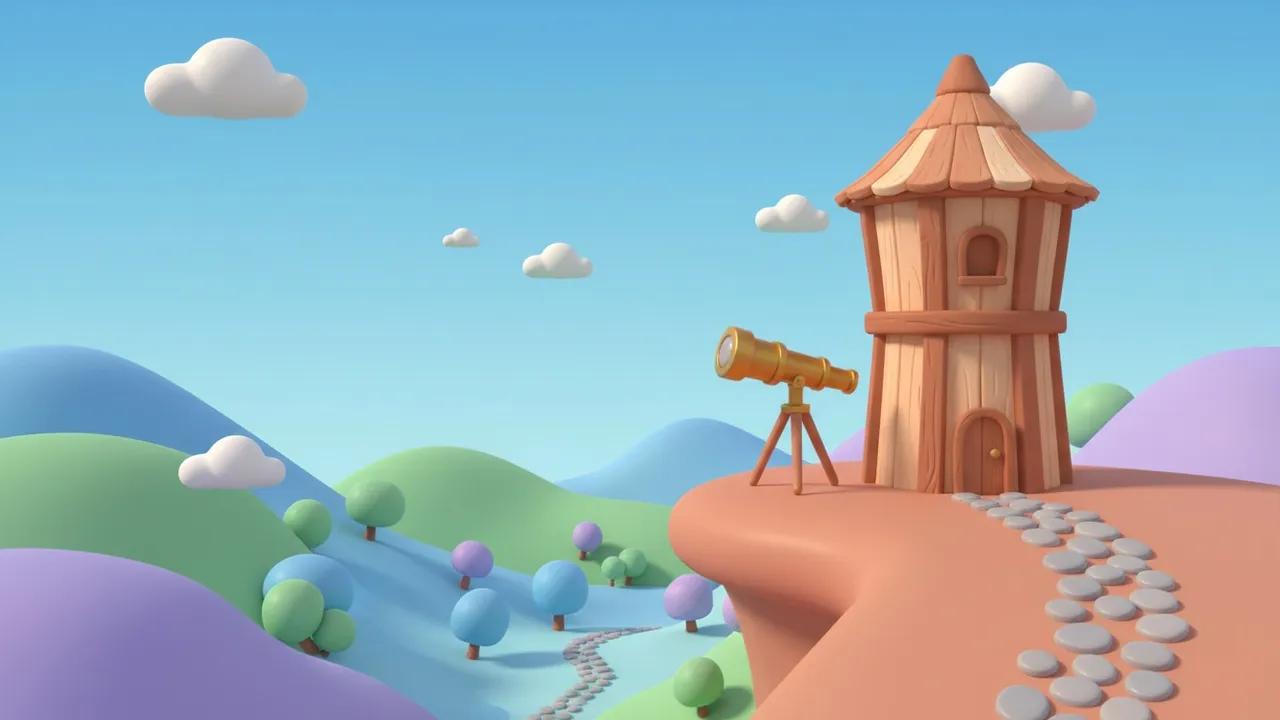
6 / 7Eagle Eye
Tap every b hidden among d, p and q, or among look-alike words, in Letter Hunt, and tell whether two letter strings are the same or different.
 7 / 7
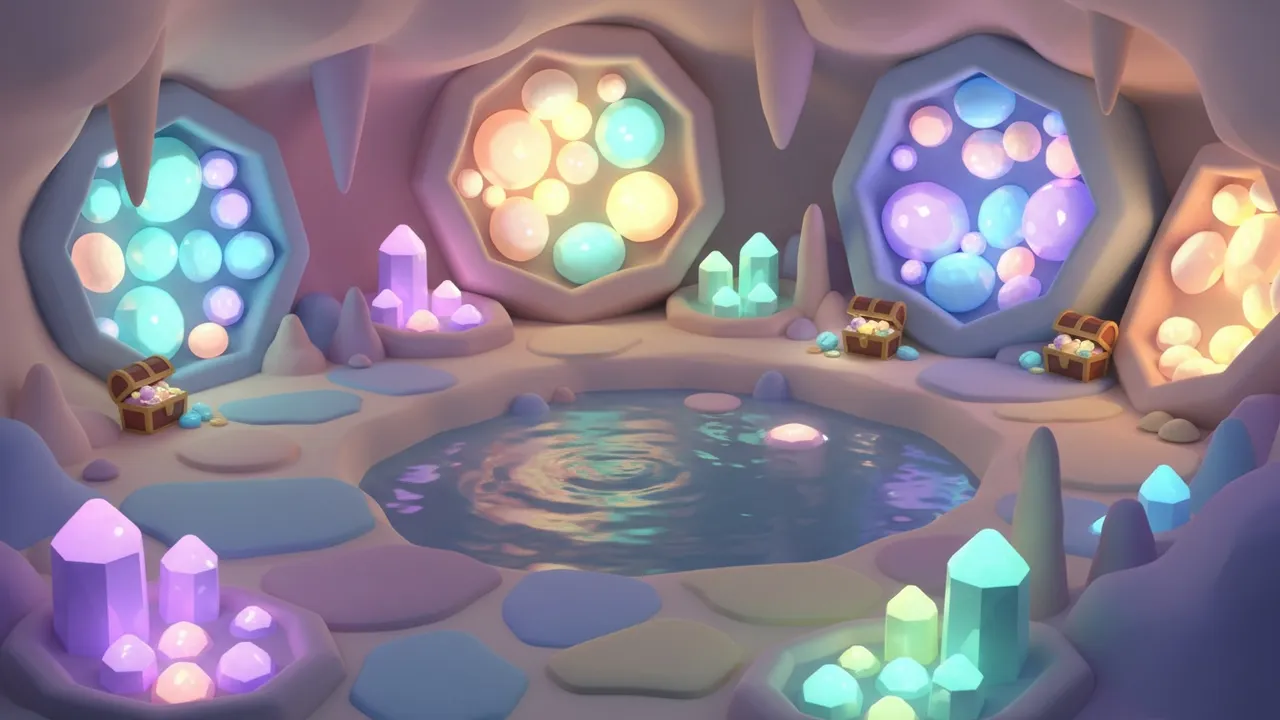
7 / 7Memory Cave
Listen to a spoken sequence of numbers in Echo Cave, then tap the numbers back in the same order.
What makes a good dyslexia game
Most children with dyslexia share one core difficulty: linking the sounds of spoken words to the letters that spell them, quickly enough that reading becomes automatic. Games help when they practice exactly that. A game that looks educational but never asks a child to listen to a sound, choose a letter or build a word is entertainment, however colorful it is.
Three skills carry most of the evidence. Phonological awareness, the ability to hear and play with the sounds inside words, is one of the strongest predictors of how easily a child learns to read. Letter-sound knowledge and blending, taught step by step, are the heart of systematic phonics, which in a meta-analysis of randomised trials was the only approach with a significant effect on the reading of struggling readers. And decoding, sounding out a word you have never seen, is how children teach themselves new words every time they read.
The fourth ingredient is not a skill but a schedule. Material that is practiced in short, spaced sessions is remembered much better than the same amount crammed into one long session. For a dyslexic child that means a game should keep track of which letters and words are still shaky and bring them back after a day, then two, then four, instead of drilling everything every time.1,2,3,4,5
- It uses sound: every item is spoken, so the child links what they hear to what they see.
- It follows an order: single sounds before digraphs, short words before long ones.
- It adapts: harder when the child is succeeding, easier after mistakes.
- It remembers: tricky items come back on a spaced schedule.
- It is short: ten focused minutes beat forty distracted ones.
Dyslexia games in the Dyslexia Steps program, world by world
The Dyslexia Steps program groups its games into seven worlds, each practicing one skill. The first three carry the evidence-based core; Speed Track and Story Harbour add reading fluency and short stories with questions, and the last two are visual and memory warm-ups. The reading games exist in all six site languages, each written for that language's spelling rather than translated; the visual and memory games work in every language. The evidence column is our honest summary of the research behind each skill, not a promise about any single game.
Children do not have to choose a world. Each day the planner builds a roughly 10-minute session: a short warm-up, two games from the child's focus skill (the weakest area in the free dyslexia test), one game from a supporting skill, and a review of letters and words that are due to come back. A parent can open any world freely from the parent area.3,2,4,6
| World | Example games | Skill practiced | Evidence |
|---|---|---|---|
| Sound Island | Rhyme Boat, Odd Sound Out | Phonological awareness: rhymes and first sounds | Strong |
| Letter Forest | Sound Catch | Letter-sound knowledge | Strong |
| Word Workshop | Word Builder, Missing Vowel, Alien Words | Blending, decoding made-up words, spelling | Strong |
| Speed Track | Flash Words, Colour Race | Reading fluency: quick recognition of common words | Mixed |
| Story Harbour | Read and Answer | Reading short decodable stories, answering questions, re-reading | Moderate (repeated reading) |
| Eagle Eye | Letter Hunt, Same or Different? | Visual search and attention, including b/d/p/q | Mixed (warm-up) |
| Memory Cave | Echo Cave | Short-term memory for sequences | Weak for reading (warm-up) |
Visual and memory dyslexia games: honest warm-ups
Many dyslexia apps are built mostly from visual attention, memory and brain-training games. They are easy to make fun, and children often enjoy them. The evidence that they improve reading is much thinner than for phonics.
The best-known result is a single study in which Italian children with dyslexia read faster after playing action video games. It is an interesting finding, but it is one study, and it has not settled into a reliable recommendation. For memory training, we are not aware of good evidence that it carries over into better reading, so we make no such claim.
That is why Eagle Eye and Memory Cave sit at the edges of the Dyslexia Steps session: a minute or two to settle in, or a change of pace between harder games. Rapid naming speed is similar. It predicts reading fluency well, which is why the test measures it, but the evidence that practicing naming faster improves reading is weak. So Colour Race appears only as a short speed round on every fifth Speed Track level: a small part of the program, not a fix for reading difficulties.7,8
Free phonics games and dyslexia games you can play now
You do not need an account or a subscription to start. Every one of our English phonics word lists has a listening game: your child hears a word and finds it on the screen, which practices letter-sound links and blending. Good places to begin are short a words for a first reader, the at word family for rhyme and pattern, sh words once single letters are secure, and nonsense words for pure decoding.
The six games in the free dyslexia test are also short versions of program games: Odd Sound Out, First Letter, Alien Words, Colour Race, Mirror Letters and Number Echo. They take about 8 minutes, need no sign-up and give you a skills profile at the end.
With a free account you can play the first 5 levels of every world, without a card. The full program, with every level, the daily plan and the parent area for several child profiles, costs $9.99 a month or $39.99 a year.
- Listening games on every phonics list, such as first-grade sight words and consonant blends
- Six test games with a skills profile, no account
- First 5 levels of all seven worlds with a free account
- The dyslexia simulator for parents and teachers who want to feel effortful reading
How to choose reading games for dyslexia
There are hundreds of apps that call themselves dyslexia games, and app store descriptions rarely tell you what is inside. A few minutes of watching your child play one will tell you more than any rating. Ask what your child is actually doing on each screen: listening to a sound and choosing a letter, building a word, reading a made-up word? Or tapping shapes, matching colors and chasing stars?
Be wary of big promises. Claims that a game rewires the brain, raises reading age by a year in a few weeks, or works because of a special font or tinted background are not supported by the research. Studies of dyslexia fonts found no gain in reading speed or accuracy, and a systematic review found no good evidence for colored overlays.
Finally, check the fit. A child who is still learning single letter sounds needs a game that starts there, not one built around sight-word speed. If you are not sure where your child is, the free test gives you a focus skill in a few minutes, and our dyslexia exercises page has offline activities for the same skills.9,10,11
- Green flag: every item is spoken aloud and linked to letters.
- Green flag: the game tracks which items your child gets wrong and brings them back.
- Red flag: mostly shapes, colors or memory puzzles with no letters or words.
- Red flag: long sessions, ads or rewards designed to keep your child playing.
Screen time and dyslexia games: short and daily
Reading practice works best in small, regular doses. Because spaced practice is remembered better than massed practice, ten minutes on five days a week is worth more than one long session at the weekend, and it is far easier for a tired child to accept.
The Dyslexia Steps session is built around that: about 10 minutes, then a clear end. There are no ads and no endless feed. In the parent area you can set a daily goal and a daily time limit; when the limit is reached the games stop, and only a parent can add more time.
Sit with younger children when you can. A game can say the sounds and score the answers, but it cannot notice that your child is guessing, or praise effort the way you can. Five minutes of reading a real book together after the game is a good habit to build.5