Free dyslexia test · reading games · no sign-up
Find out where reading gets hard, then practise that part every day
Six short games check sounds, letters, word-reading, naming speed, visual detail and memory. The daily program then trains the skill that needs it most, a few minutes at a time.
Screening, not a diagnosis. Answers stay on your device until you choose to save them.
Six quick reading-skill games
There are no wrong answers. The games show how your child hears sounds, matches letters, reads new words, names colours, spots letters and remembers.
About 8 minutes · free · no sign-up
Sit next to your child and turn the sound on. One game asks you to time them.
Everything runs in your browser. Answers are not sent anywhere.
How it works
- 1
Play the free test
About 8 minutes of games for a child with a parent nearby, or a separate check for adults. No account needed.
- 2
See the reading-skills profile
A strength and a focus skill across six areas, explained in plain language, with a clear note on when to ask a professional.
- 3
Practise 10 minutes a day
Each day's session mixes a warm-up, two games for the focus skill and a review of the sounds and words that are still shaky.
Seven worlds, one daily adventure
Every game belongs to a skill world. Children don't pick a world each day: the daily adventure picks the games their profile needs, and parents can open any world freely.
 1 / 7
1 / 7Sound Island
Find the word that rhymes in Rhyme Boat, then spot the word that starts with a different sound in Odd Sound Out.
 2 / 7
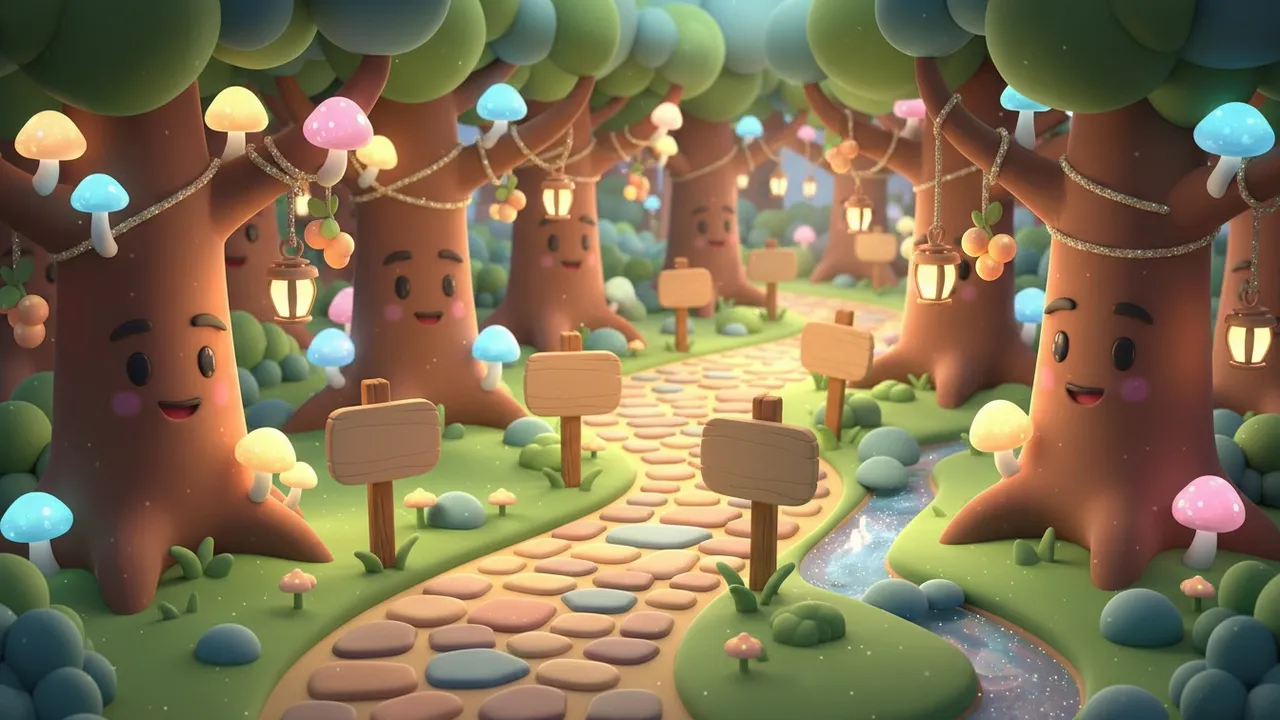
2 / 7Letter Forest
Hear a word and catch the letter or letter group it starts with. On some levels the letters float across the screen.
 3 / 7
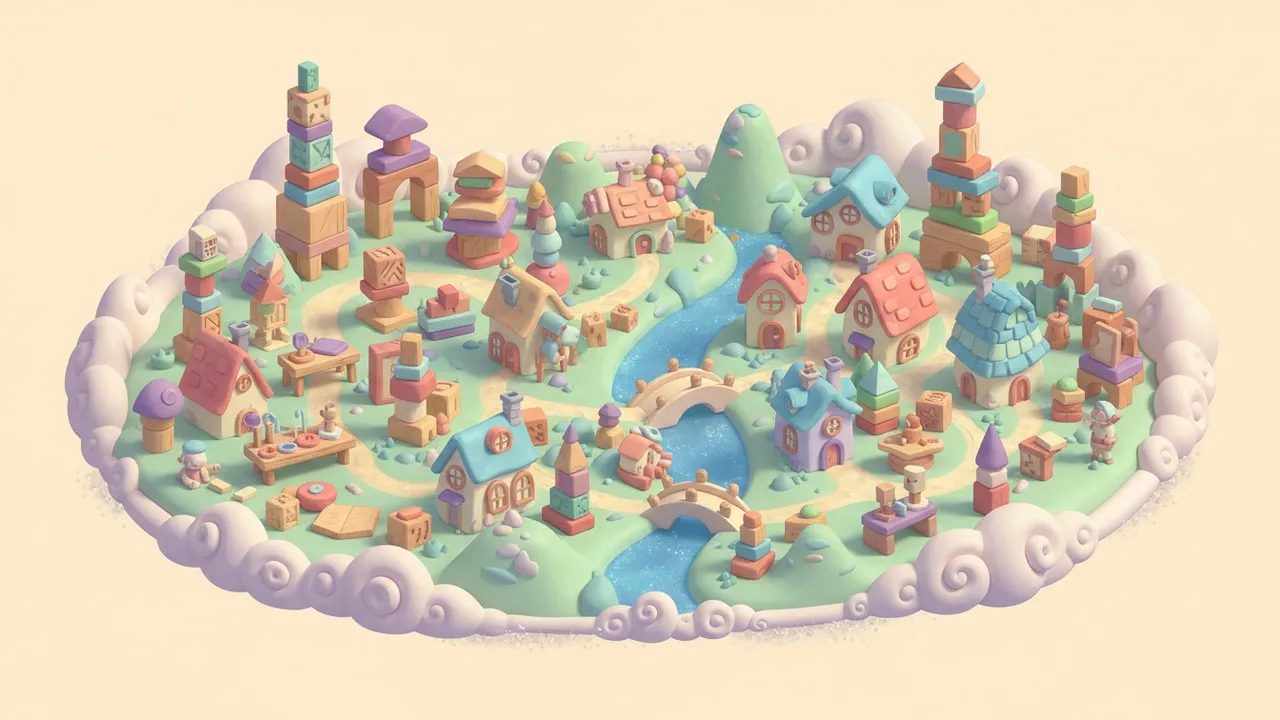
3 / 7Word Workshop
Build the word you hear from letter tiles in Word Builder, find the missing vowel and pick out made-up alien words.
 4 / 7
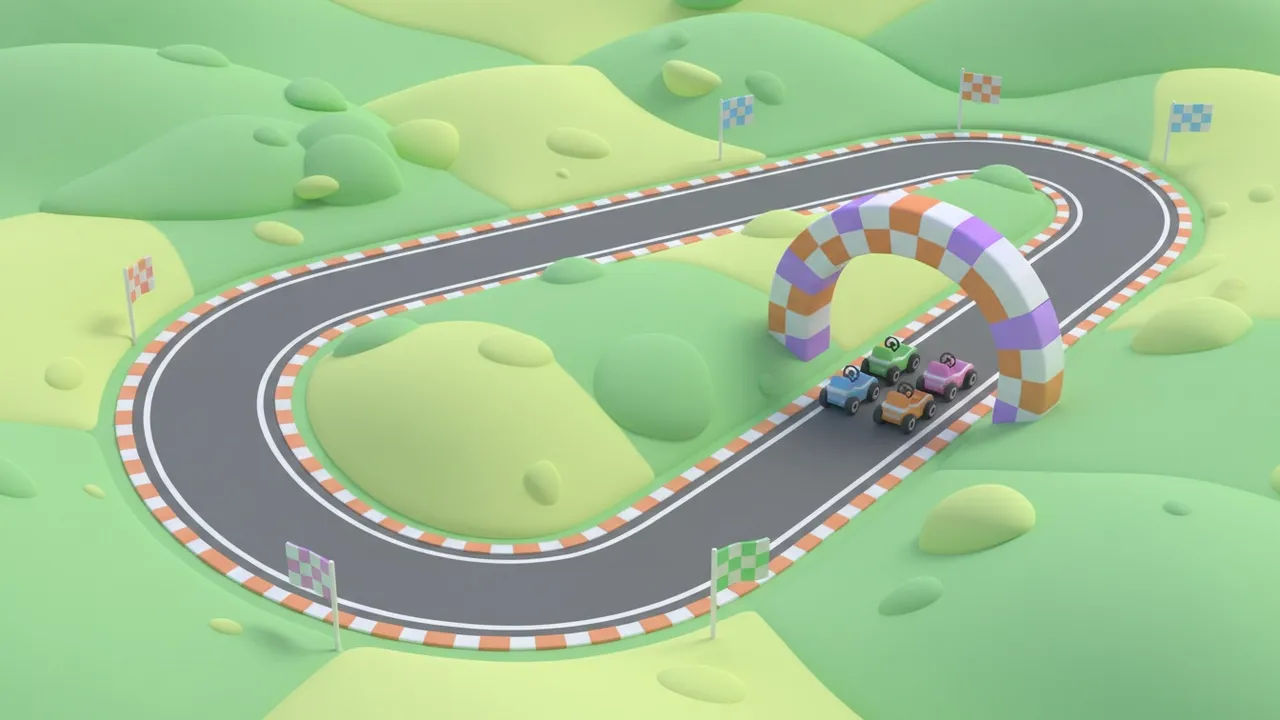
4 / 7Speed Track
A word flashes for a moment, then you pick the one you saw in Flash Words. Every fifth level is a short Colour Race.
 5 / 7
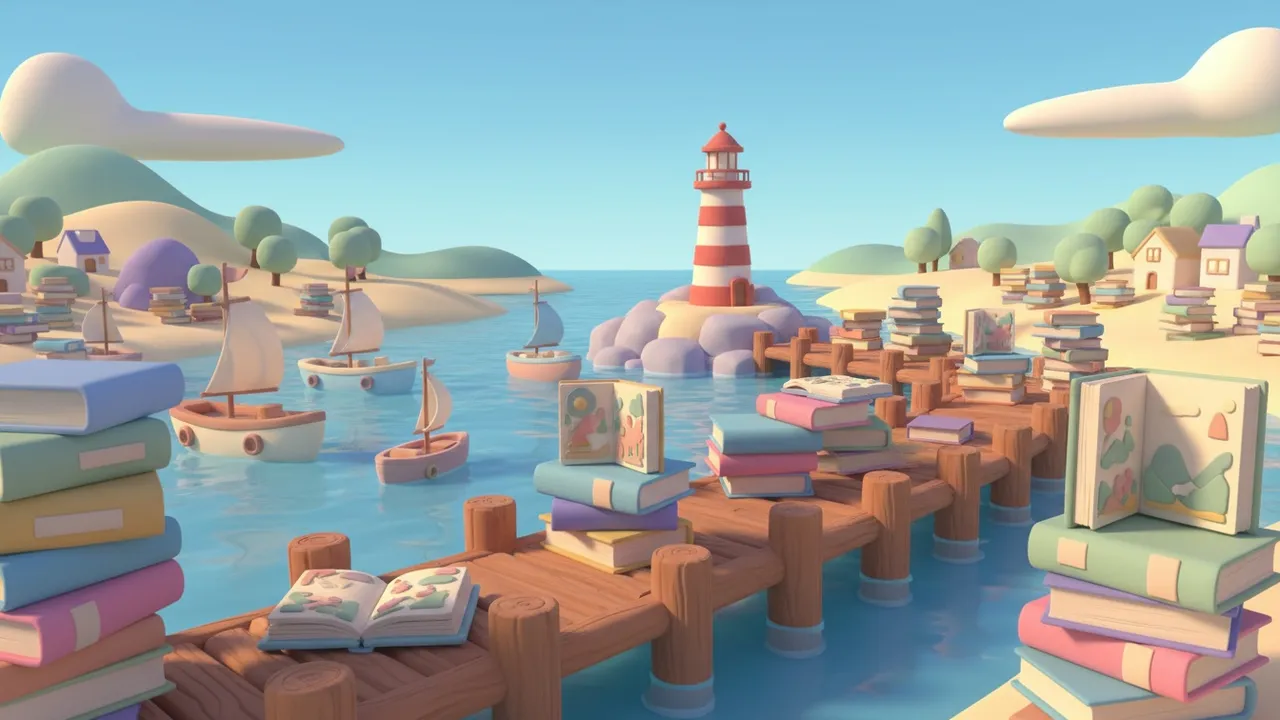
5 / 7Story Harbour
Read a short story written for this stage, or listen to it sentence by sentence, answer two or three questions, then read it again. Stories join the daily plan after Word Workshop level 20.
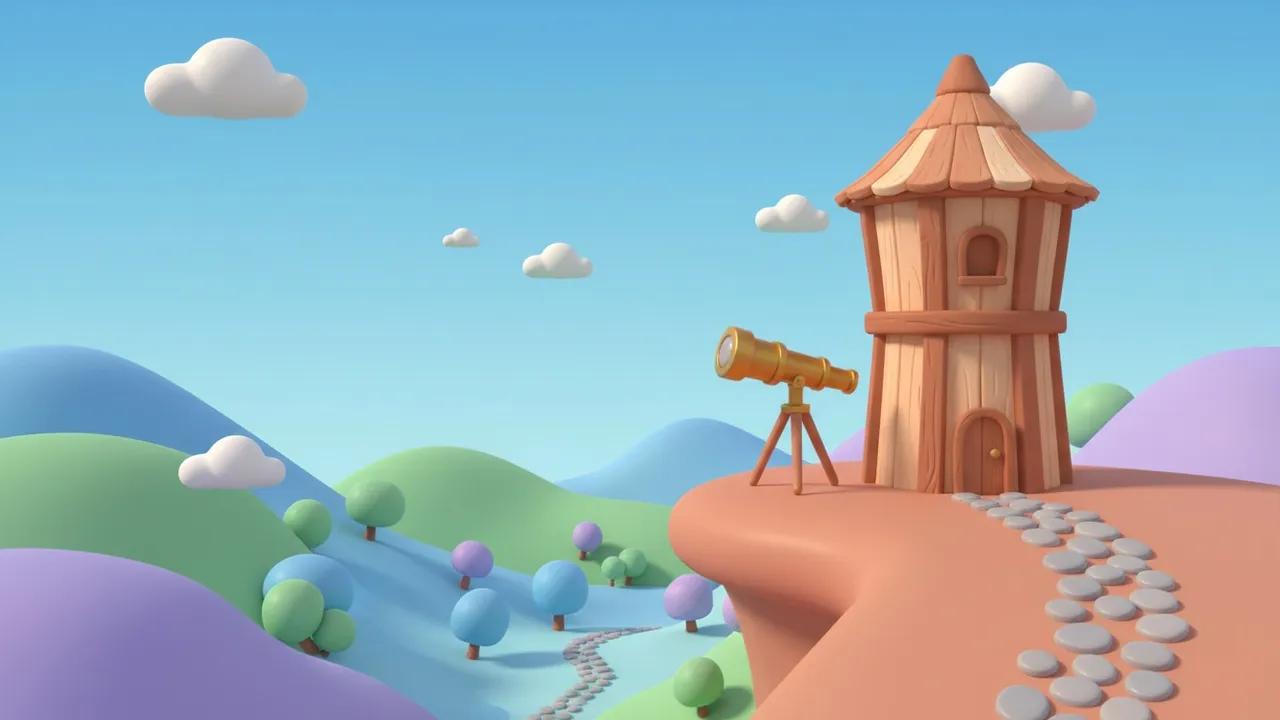 6 / 7
6 / 7Eagle Eye
Tap every b hidden among d, p and q, or among look-alike words, in Letter Hunt, and tell whether two letter strings are the same or different.
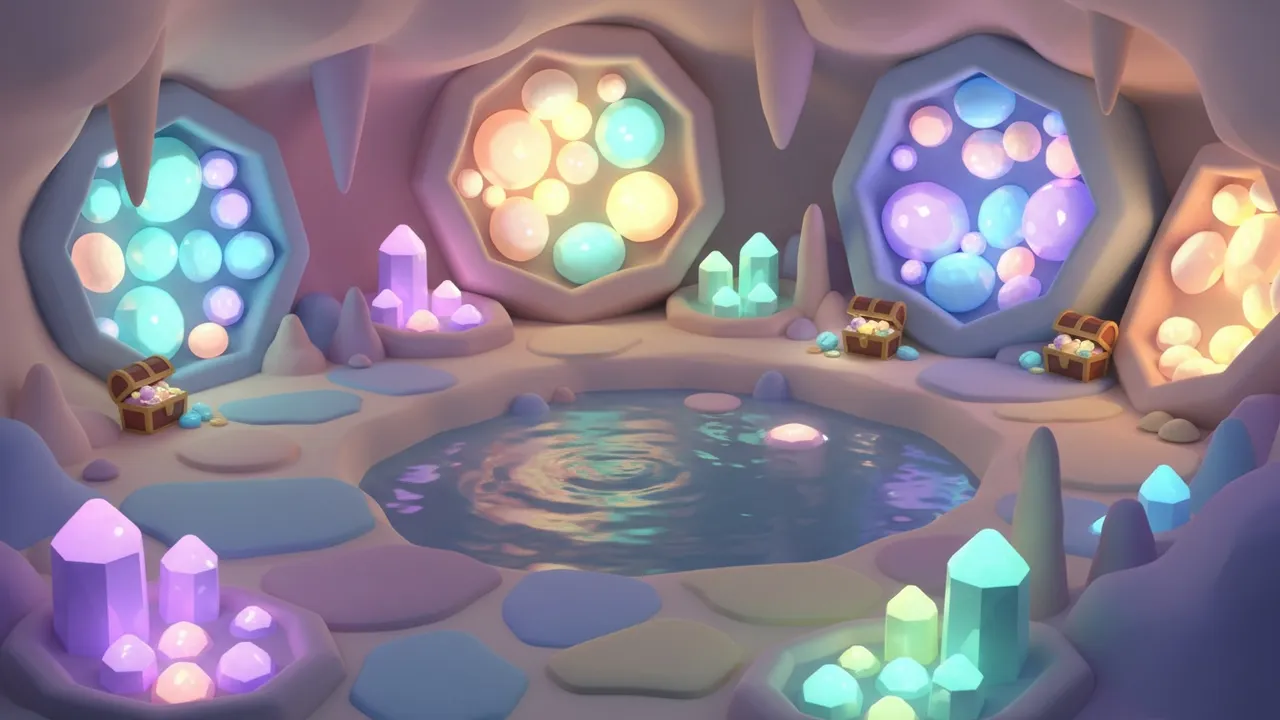 7 / 7
7 / 7Memory Cave
Listen to a spoken sequence of numbers in Echo Cave, then tap the numbers back in the same order.
Built on what reading research supports
Many dyslexia products promise more than the research shows. Here is what the program is built on, and what it does not claim.
Systematic phonics at the core
Explicit letter-sound teaching and blending is the approach with the most consistent effect in controlled trials with struggling readers.
Galuschka K, Ise E, Krick K, Schulte-Körne G (2014)Sounds come first
Hearing and working with the sounds in words is one of the strongest predictors of learning to read, so every level starts there.
Melby-Lervåg M, Lyster SA, Hulme C (2012)Review at the right moment
Spaced practice outlasts cramming. Each letter and word comes back just as it is about to be forgotten.
Cepeda NJ, Pashler H, Vul E, Wixted JT, Rohrer D (2006)No miracle fonts or overlays
Special dyslexia fonts did not make children read faster or more accurately in studies. Font and spacing are simple settings here, not a selling point.
Wery JJ, Diliberto JA (2017)
Daily reading practice in your browser
Games in seven worlds, a daily plan built from the test, spaced review, and a parent area with progress, a daily time limit and several child profiles on one subscription. Works on a computer, tablet or phone.
See the programShort answer
What is Dyslexia Steps?
Dyslexia Steps is a free online dyslexia screening test and a daily reading-practice program that run in the browser. The child test uses six short games covering phonological awareness, letter-sound knowledge, decoding, rapid naming, visual discrimination and memory; the adult check combines a reading-history questionnaire with two short tasks. It is a screening tool, not a diagnosis.
- The test is free and needs no account; answers stay on the device until you save them.
- The practice program is built on systematic phonics, phonological awareness and spaced review.
- One subscription covers several child profiles, with a parent area and a daily time limit.
- Available in English, German, French, Spanish, Dutch and Brazilian Portuguese.
Learn about dyslexia
- What is dyslexia?Dyslexia is a common, lifelong difficulty with reading and spelling words. It has nothing to do with intelligence or eyesight, and it responds to the right kind of teaching. Here is what research actually says.
- Dyslexia symptomsDyslexia shows up differently at 4, at 7 and at 14. This guide lists the signs to look for at each age, what they mean, and when it is worth asking for a closer look.
- Dyslexia in adultsMany adults with dyslexia read accurately but slowly, and spelling never quite becomes automatic. Here is how adult dyslexia usually looks, why it is often missed at school, and what an assessment and practical adjustments can offer.
- Dyslexia gamesA good reading game for a dyslexic child is mostly phonics in disguise: hearing sounds, linking them to letters and blending them into words, a little every day. Here is what to look for, what each Dyslexia Steps world practices, and which games you can play free today.
- Dyslexia exercisesFourteen short activities you can do at the kitchen table with no special equipment, from hearing sounds to reading whole sentences. Pick two or three from your child's focus skill, and do them for ten minutes a day.
- Helping a child with dyslexiaYou do not need special training to make a real difference. Short daily phonics practice, lots of shared stories, and a clear conversation with the school do most of the work. Here is a plan you can start this week.
- How dyslexia is diagnosedA dyslexia diagnosis comes from a full assessment by a qualified professional, not from a single test. Here is who can assess, what happens during the assessment, how it differs from a screening, and how to get ready for it.
- Dyslexia accommodationsAccommodations let a child with dyslexia show what they know without reading and spelling getting in the way. They work best alongside good reading teaching, not instead of it. Here is what to ask for and how.
- Dyslexia vs dyscalculiaDyslexia mainly affects reading and spelling; dyscalculia mainly affects number sense and arithmetic. They often appear in the same child, sometimes alongside ADHD, which is why it helps to look at each skill separately.
- Orton-GillinghamOrton-Gillingham is the best-known name in dyslexia tutoring. Here is what it actually involves, what the research does and does not show, and how to judge any reading program or tutor on the features that matter.
- Dyslexia friendly font toolPaste any text and adjust the font, size, letter spacing, line spacing and background until it feels comfortable. Below: what studies actually found about special dyslexia fonts.
- Dyslexia simulatorMost simulators make letters jump around. That is not what dyslexia usually is. Try decoding a secret script instead: it is much closer to the slow, effortful reading many dyslexic children live with every day.
Frequently asked questions
Is the dyslexia test really free?
Yes. The test and the result are free and need no account. The optional daily practice program runs in the browser; the first 5 levels of each world are free with an account.
Can an online test tell if my child has dyslexia?
No online test can diagnose dyslexia. A screening shows which reading skills take extra effort, which helps you decide whether to ask a specialist, such as an educational psychologist or speech and language professional, for a full assessment.
What age is it for?
The child test and the games are for ages 5 to 12, with a parent nearby for the first sessions. Teenagers and adults can take a separate adult check.
Do dyslexia fonts or coloured overlays help?
Studies have not found that special dyslexia fonts improve reading speed or accuracy, and a systematic review found no good evidence for coloured overlays. Wider letter spacing helped some readers in one study, so spacing is adjustable in the games.
Is this the Orton-Gillingham method?
The program follows structured literacy principles that Orton-Gillingham also uses: explicit, sequential, cumulative and multisensory. It is not an Orton-Gillingham programme, and a 2021 meta-analysis found the evidence for OG-branded programmes weaker than often claimed.
Can one subscription cover brothers and sisters?
Yes. One subscription covers up to four child profiles, each with its own test result, daily plan, progress and practice language. Dyslexia often runs in families, so siblings should not need a second plan.